
Peripheral Blood Mononuclear Cells (PBMCs)
Healthy and Diseased PBMCs from 1,100+ Patients for Immunology, Oncology, and Advanced Cell Therapy Research
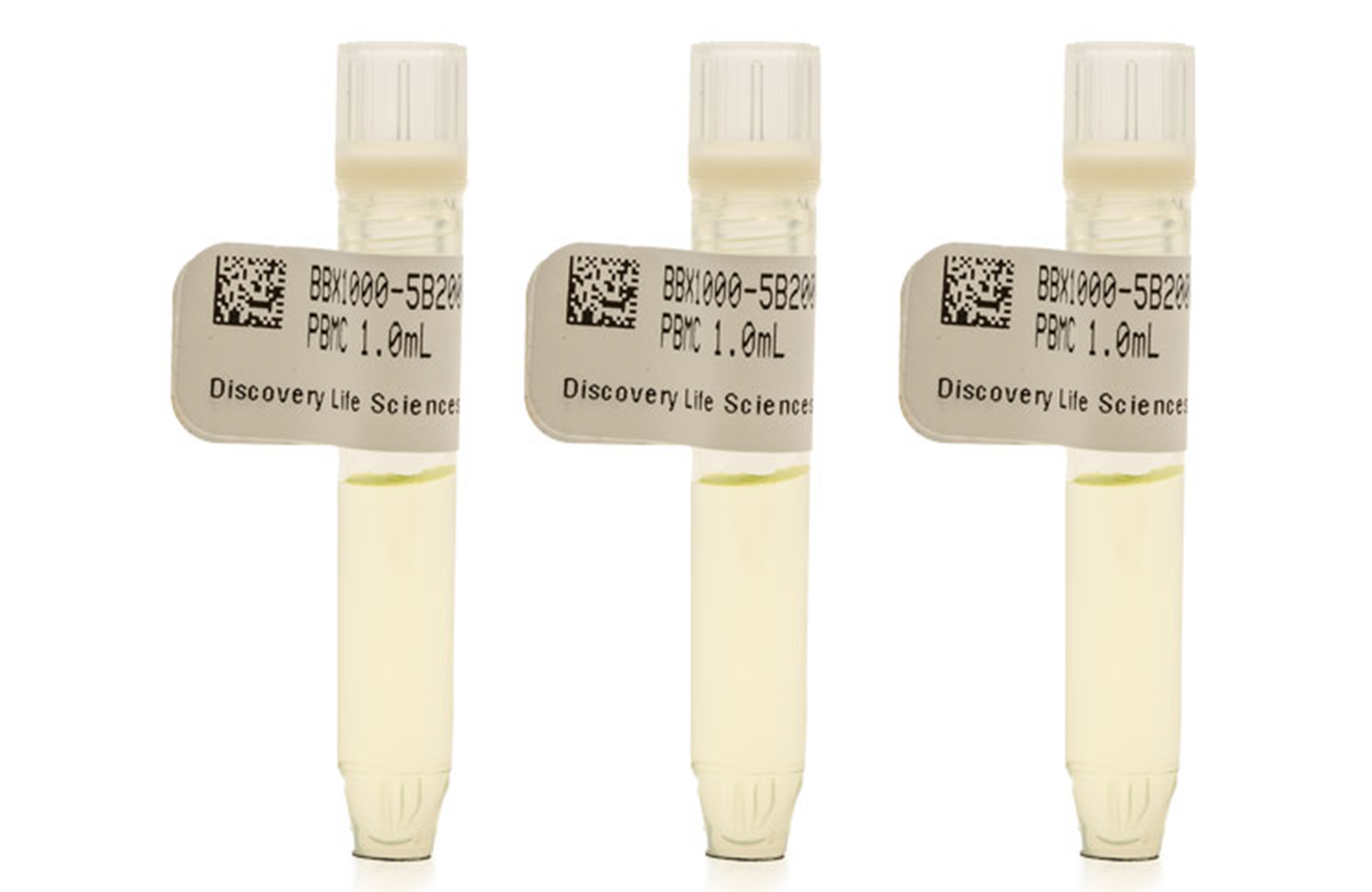
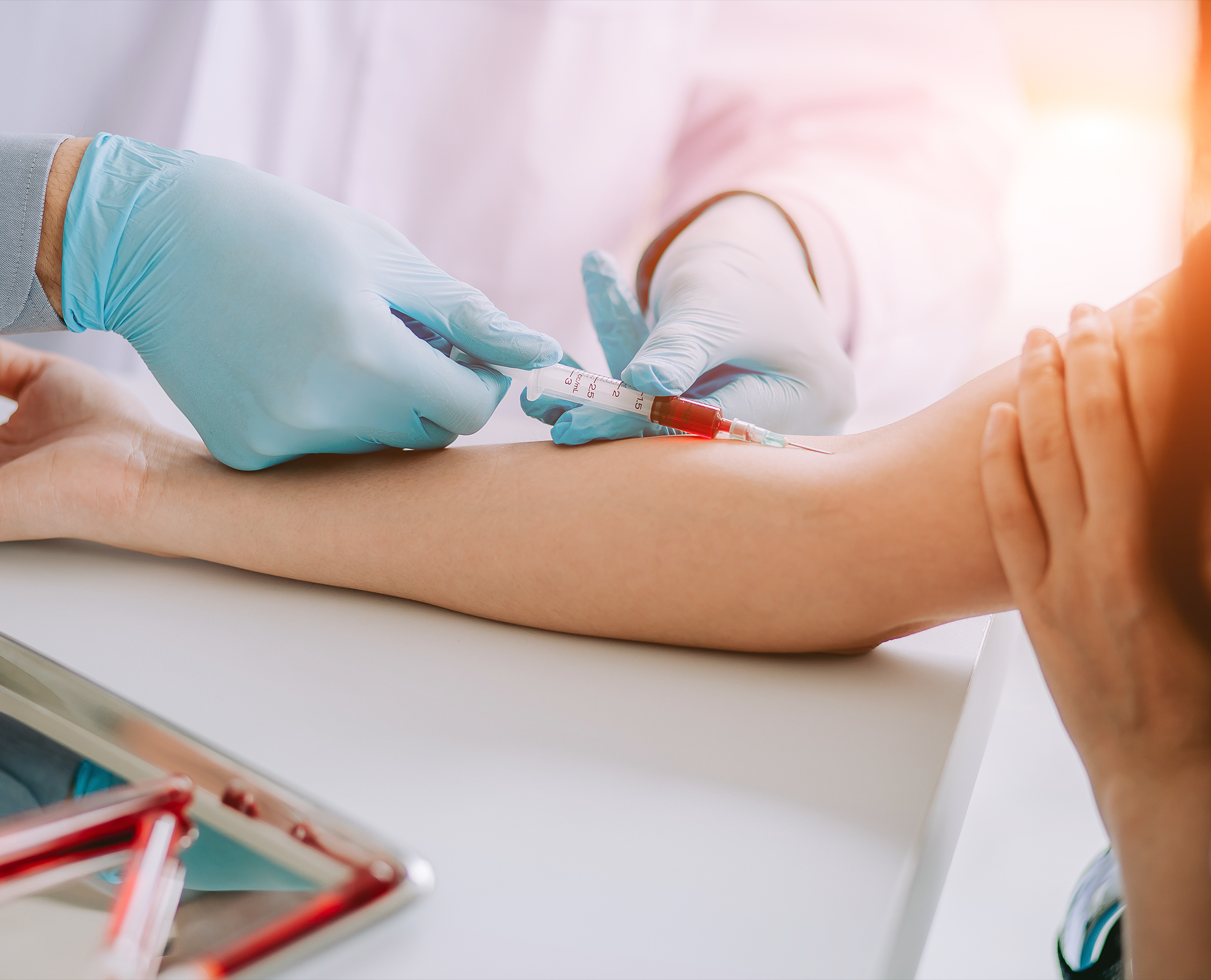
Accelerate your programs with Discovery’s extensive inventory and prospective network of PBMCs.
- Diseased PBMCs is isolated from blood collected just prior to the patient’s next cycle of therapy (typically, a 2-4 week washout period) at standard laboratory appointments as dictated by the patient’s oncologist
- Healthy PBMCs Isolated from whole blood or leukopaks consisting TBNK cells and monocytes
- Immunophenotyped by flow cytometry and frozen in 90% heat-inactivated FBS +10% DMSO and use sodium heparin as an anticoagulant
- The final product volume is 1.0 mL with approximately 5M cells per aliquot
- Cell counts and viability are determined using AOPI staining on a Nexcelom Cellometer which offers more accurate cell counts and viabilities than using trypan blue and other methods of counting.
PBMC Matched Sets
Through our proprietary healthy donor network and collection clinic, Discovery can support unique projects that require matched PBMCs.
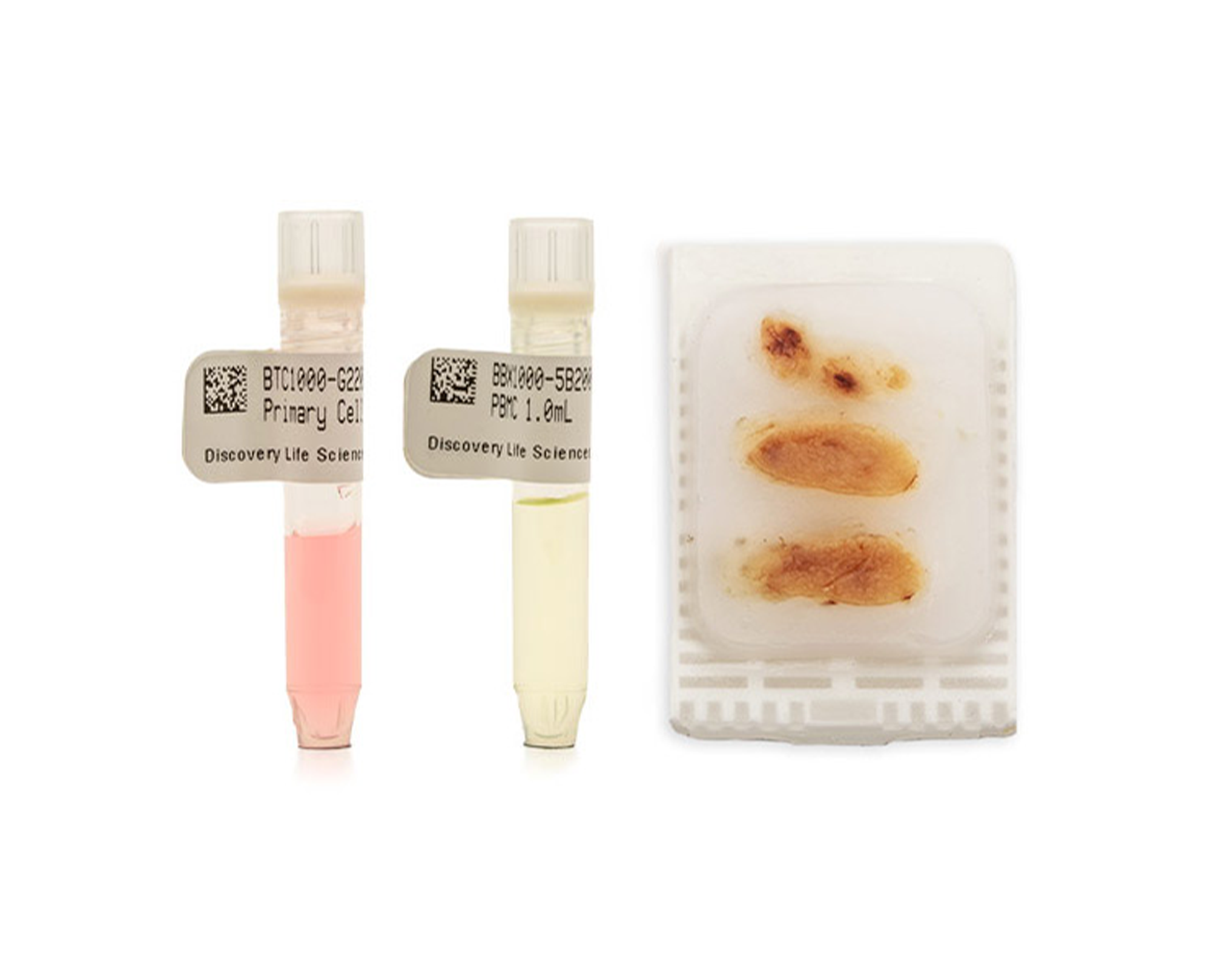
- Longitudinal PBMCs + BMMCs Matched Sets - Ideal for spatial and temporal disease development studies.
- PBMCs + DTCs Matched Sets - Ideal for immune response studies.
- PBMCs + DTCs + FFPE Matched Sets - Ideal for tumor cell migration studies.
- PBMCs + Tumoroids Matched Sets - Ideal for co-culture to replicate the full tumor microenvironment.
PBMCs Related Resources
Checkpoint Inhibitor Therapy Utilization and PD1/PDL1 Expression Across a Global Clinical Network White Papers
Too Many Diseases, Too Few Samples: Closing the Biospecimen Gap in Autoimmune Research Blog
Standard process for thawing viable cell products Protocols
PBMCs Frequently Asked Questions
How are your PBMCs processed?
You can find our PBMCs Protocols by clicking here.
We also have the ability to follow our clients’ custom processing protocols and help them develop new processing protocols based on their needs.
What is your standard collection tube for PBMCs?
Our standard collection tube for PBMCs is a Sodium Heparin Tube; however, prospective collections can utilize any commercially available blood collection tube.
What are your storage and shipping temperature guidelines for PMBCs?
We recommend shipping PBMCs on dry ice or, if possible, in liquid nitrogen. PBMCs should be stored in liquid nitrogen immediately upon receipt.
Are red blood cells lysed prior to cryopreservation?
Red blood cell lysis is not performed.
How are the cell counts and viability of PBMCs determined?
Cell counts and viability are determined using a Nexcelom Cellometer® with acridine orange and propidium iodide to identify live and dead nucleated cells, respectively. Unlike dissociated tissue, which is prone to cellular debris, PBMCs can be counted using trypan blue exclusion. If flow cytometry is used to determine cell count and viability, it is recommended that proper FSC thresholds be established to remove platelets, which are present in cryopreserved PBMCs.
What anticoagulant is used for PBMCs?
Inventory PBMCs are collected using sodium heparin as the anticoagulant. Alternative anticoagulants, such as EDTA and sodium citrate, are available upon request.
Are blast percentages available for diseased PBMC and BMMC samples?
Diseased PBMC and BMMC samples are occasionally collected at a different date from the initial sample utilized to establish blast percentages. Therefore, DLS is unable to guarantee blast percentages in diseased samples. However, for AML and multiple myeloma BMMCs, DLS performs flow cytometry following cryopreservation to characterize blast percentages, and these results are available to aid in sample selection.
How is post thaw QC performed for PBMCs?
Following at least 24 hours in liquid nitrogen, one vial is removed from storage and quickly thawed in a 37°C water bath until only a small frozen crystal remains. Vials are transferred into a biosafety cabinet and diluted with an appropriate volume of DMEM/F12 + 10% FBS in a 15 mL conical tube to ensure linearity with the Nexcelom Cellometer. 20 µL of the cell suspension is mixed with 20 µL of acridine orange/propidium iodide and counted on the Nexcelom Cellometer to determine cell counts and viability. All cell counts are performed prior to any pelleting and washing of the samples. These counts are estimations of the total live cell yield.
How should PBMCs be shipped and stored?
PBMCs are shipped on dry ice. Upon receipt, they should be used immediately or placed in liquid nitrogen vapor phase for long term storage.
What exactly are PBMCs and which immune cell types do they include?
Peripheral blood mononuclear cells (PBMCs) are white blood cells with round nuclei—primarily lymphocytes (T cells, B cells, NK cells), monocytes, and dendritic cells—routinely isolated for immunology and cell therapy research. They are commonly prepared as a first step prior to isolating specific immune subsets or performing functional assays.
How do you collect, isolate, and QC Discovery PBMCs?
Discovery PBMCs are collected under controlled SOPs (whole blood or leukopaks), isolated by density gradient methods (e.g., Ficoll-based), and cryopreserved the same day to minimize granulocyte carryover and preserve function. Each lot undergoes flow-cytometric QC for viability, purity, and major subset frequencies prior to release.
How should I thaw and count PBMCs to preserve function?
Rapidly thaw vials at 37°C, dilute promptly in recovery medium, and spin to remove cryoprotectant. Seed or rest cells per your assay. For accurate live-cell counts—especially with PBMCs—use AO/PI staining with an automated counter to enumerate nucleated cells and avoid trypan-blue under/over-calling. A short video SOP is available on request.
Can I request HLA-typed, viral-negative, or disease-state PBMCs with matched plasma?
Yes. Discovery can provide HLA Class I/II-typed, viral-negative PBMCs from healthy or disease-state donors, and we can supply matched plasma/serum when required. Ask us about pre-screened responsiveness (e.g., PHA/CEF) and demographic/clinical metadata to align donors with your study design.
Need Biomarker Characterization For Your PBMCs?
While our biospecimens are highly characterized, we also provide custom multi-omic analyses to further characterize biospecimens from our inventory or from your studies.