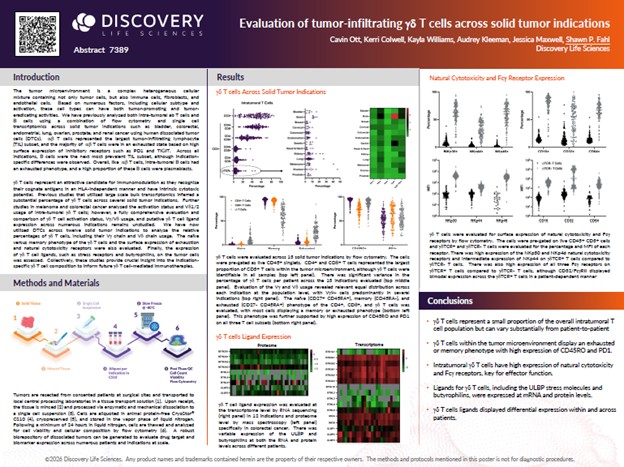
The tumor microenvironment is a complex heterogeneous cellular mixture containing not only tumor cells, but also immune cells, fibroblasts, and endothelial cells. Based on numerous factors, including cellular subtype and activation, these cell types can have both tumor-promoting and tumor-eradicating activities. We have previously analyzed both intra-tumoral ab T cells and B cells using a combination of flow cytometry and single cell transcriptomics across solid tumor indications such as bladder, colorectal, endometrial, lung, ovarian, prostate, and renal cancer using human dissociated tumor cells (DTCs). T cells represented the largest tumor-infiltrating lymphocyte (TIL) subset, and the majority of T cells were in an exhausted state based on high surface expression of inhibitory receptors such as PD1 and TIGIT. Across all indications, B cells were the next most prevalent TIL subset, although indication-specific differences were observed. Overall, like T cells, intra-tumoral B cells had an exhausted phenotype, and a high proportion of these B cells were plasmablasts.