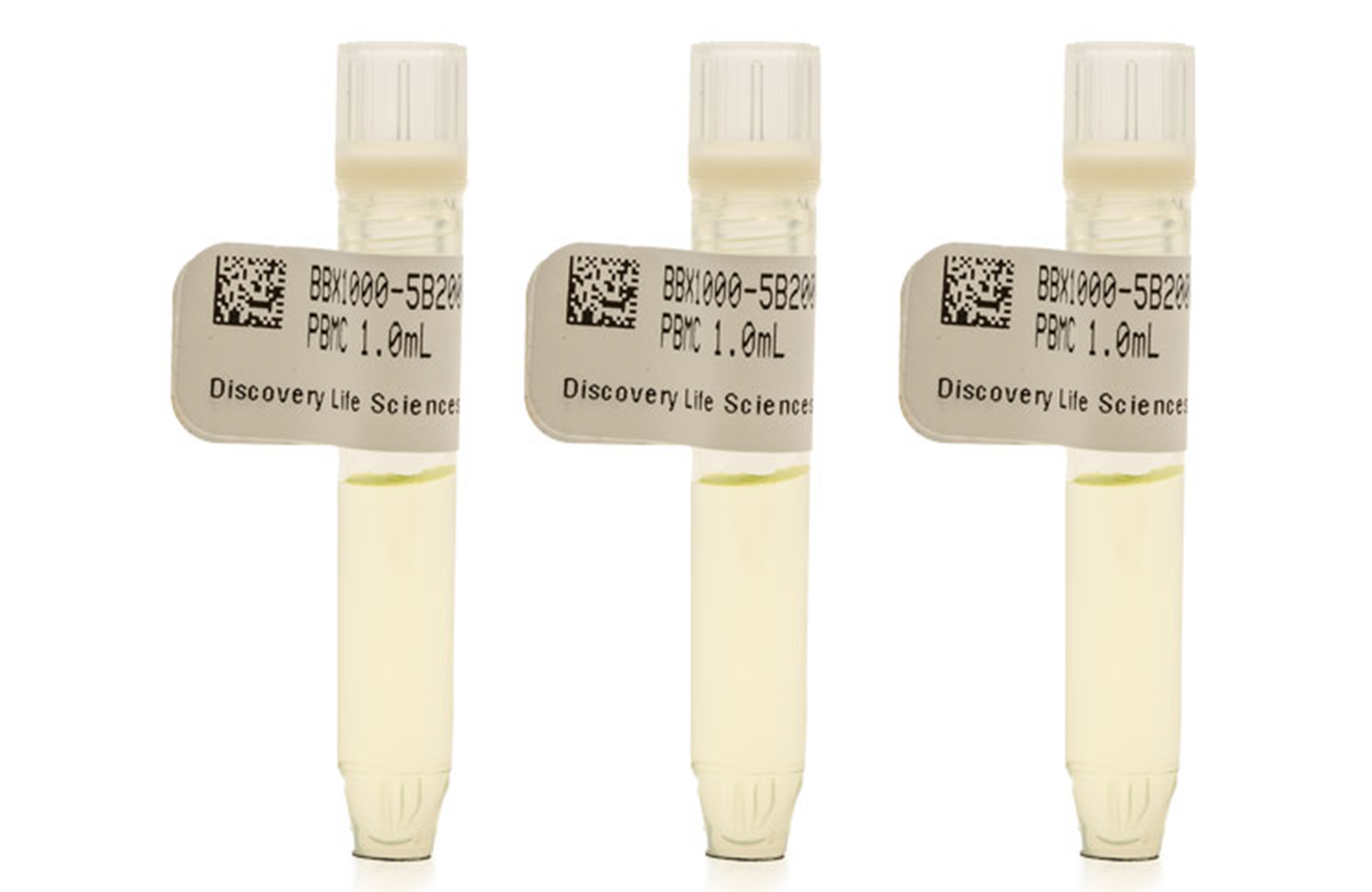
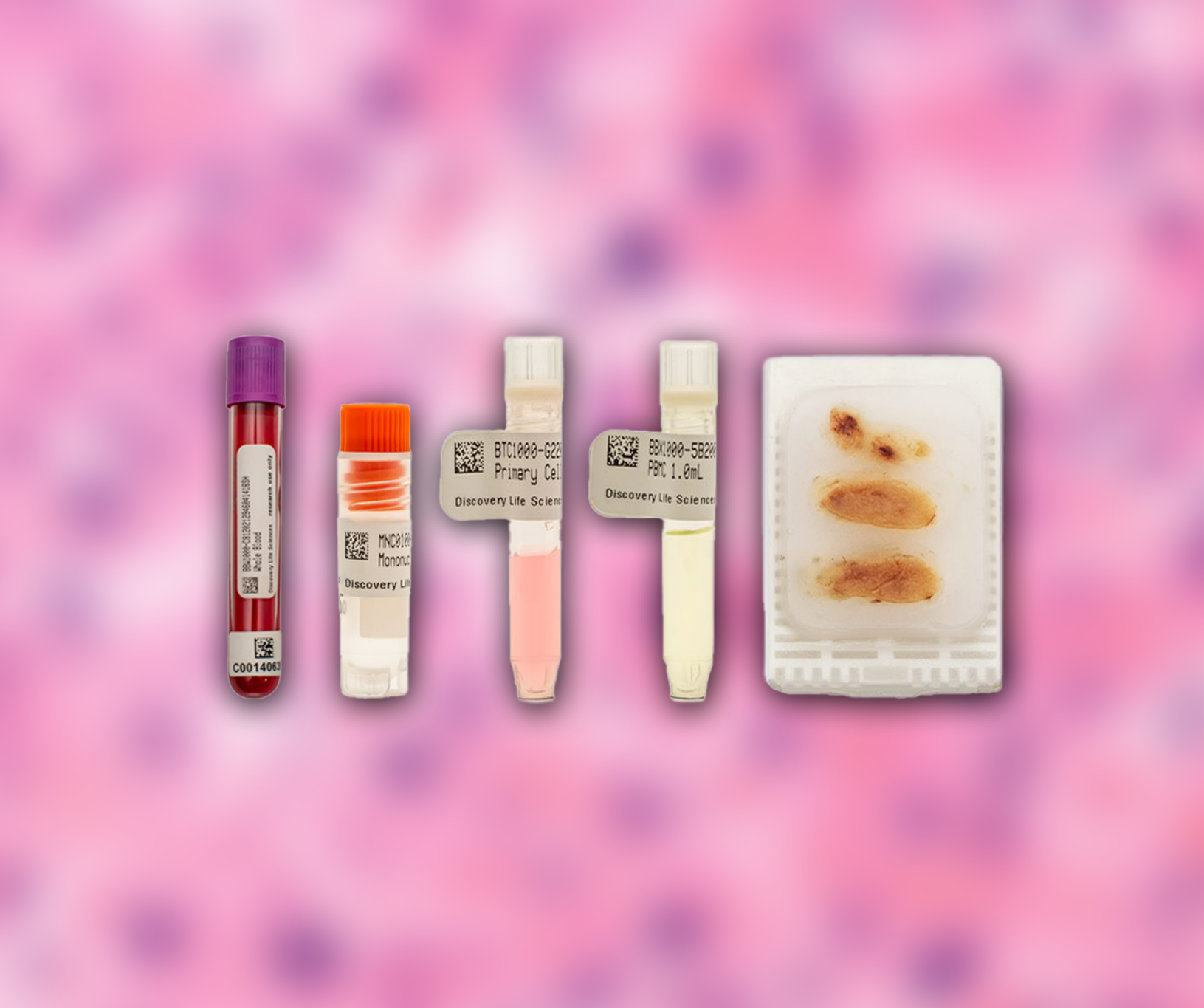
Biospecimens are critical for generating the data that drives innovation across healthcare. They enable biomarker discovery, support drug and diagnostic development, and power clinical trials that bring new therapeutics to market. Advances in -omics technologies have further expanded the role of biospecimens in genomic and personalized medicine1,2.
Despite their importance, many researchers purchase biospecimens without full visibility into how they are collected, stored, or characterized. In today’s procurement ecosystem, many biospecimen providers don’t collect or bank samples themselves. Instead, they resell access to material originally biobanked by hospitals, laboratories, or academic institutions. Inventories consolidated through mergers and acquisitions can also unintentionally circulate the same banked samples, adding additional complexity to an already opaque system.
That means a single patient’s tissue or fluid sample can become multiple listings, showing up in different suppliers’ inventory. Because each supplier assigns its own unique sample identifier, researchers risk unknowingly paying multiple times for the same patient sample. This risk is amplified for rare or hard-to-source indications, where multi-sourcing is often necessary to meet study requirements.
The Hidden Risk of Duplicate Patient Samples
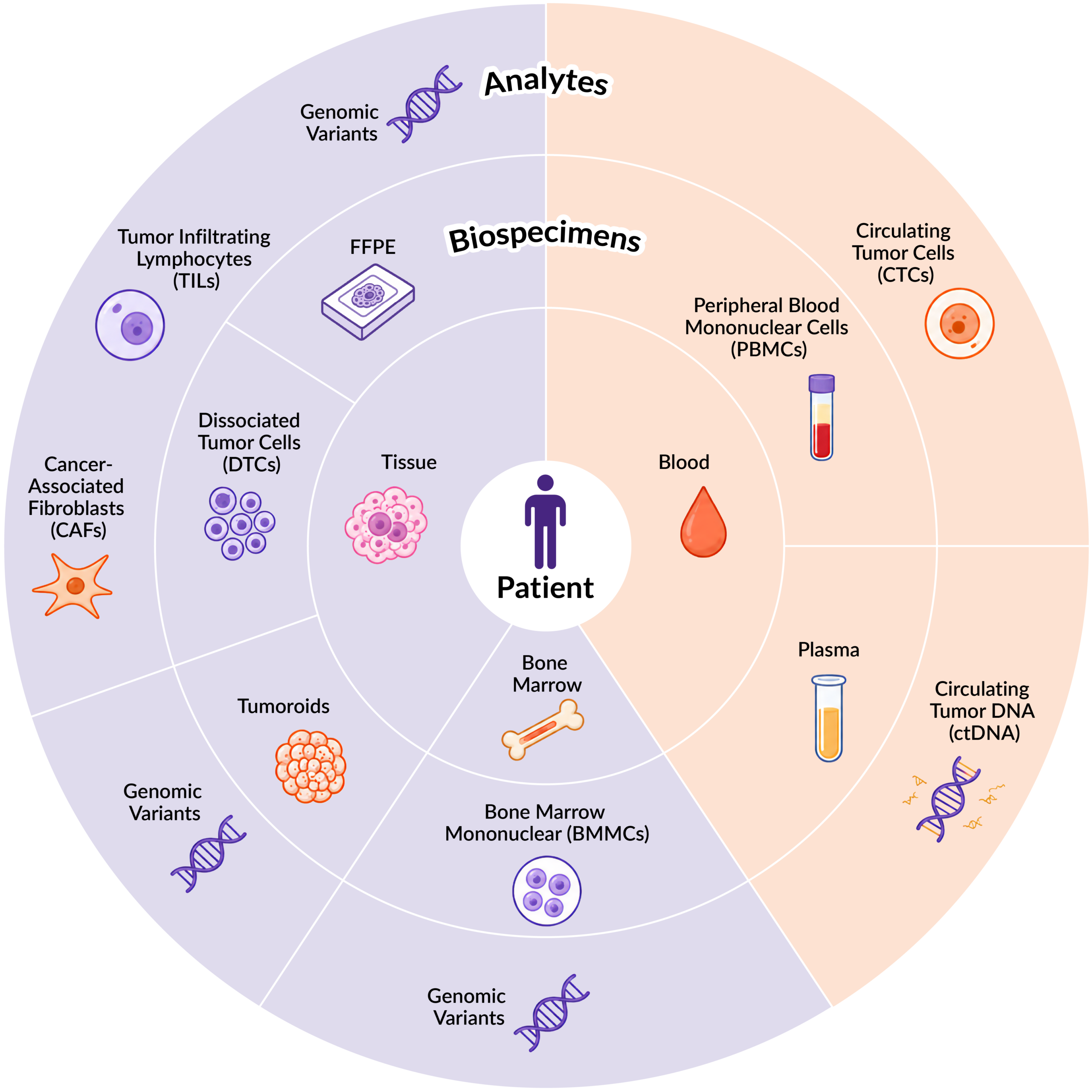
Take Researcher A, who required a cohort of 20 Systemic lupus erythematosus (SLE) patient samples, which they purchased from three different biospecimen suppliers (Figure 1). After noticing an unexpectedly high frequency of uncommon genetic variants, they suspected there were duplicate samples from the same patients in their cohort. Follow-up genetic testing confirmed two pairs of duplicate patients across the three suppliers, which meant they only had samples from 18 unique individuals instead of 20.
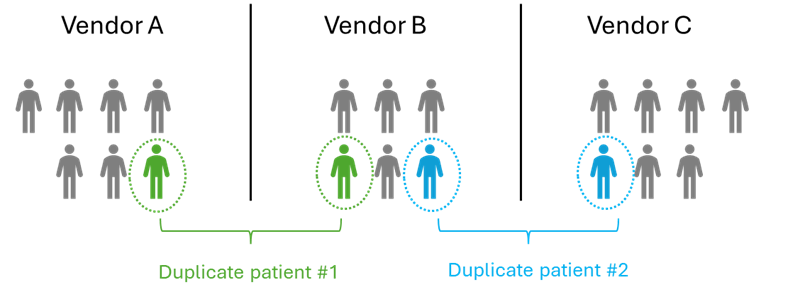
Figure 1. Multi-sourcing can lead to researchers unknowingly purchasing duplicate patient samples for their projects.
Scenarios like this occur more frequently than many researchers expect. Beyond added cost, these hidden duplicates can compromise study design, reduce true sample diversity, and, if undetected, skew downstream analyses, leading to overestimation of mutational frequencies or misinterpretation of biological findings.
A Single-Source Approach to Biospecimens Procurement
Discovery Life Sciences (Discovery) takes a fundamentally different approach through its Discovery Partners® Network, a single, connected ecosystem of more than 200 clinical sites across dozens of countries. The network includes leading hospitals, academic medical centers, blood banks, clinical laboratories, and community-based medical practices.

Figure 2. Direct engagement with the Discovery Partners® clinical network intentionally minimizes patient redundancy.
Unlike suppliers that resell access, Discovery works directly with clinical sites across our network, which allows us to maintain control over how biospecimens are collected, processed, banked, and managed from the point of origin. This framework also intentionally reduces biospecimen overlap with competitor supplier networks, lowering the risk of the same patient samples appearing across multiple collections. Each patient in our network is assigned a unique identifier, and related samples from the same patient are linked accordingly for traceability. The result is greater confidence in sample provenance, more consistent and complete metadata, and a clear chain of custody from patient to lab bench.
We recognize that multi-sourcing can be necessary for large-scale studies or rare indications. However, Discovery’s single-source strategy is designed to minimize the risk of patient redundancy with direct access to patient-derived biospecimens within a controlled, integrated network.
We aim to take the guesswork out of biospecimen procurement so researchers can focus on the science and accelerate progress toward meaningful insights.
Learn more about our clinical network: https://dls.com/discovery-partners/
References
- Kinkorová J. (2016). Biobanks in the era of personalized medicine: objectives, challenges, and innovation: Overview. The EPMA journal, 7(1), 4. https://doi.org/10.1186/s13167-016-0053-7
- Batheja, D., Goel, S., Fransman, W., Mantsoki, A., Ongarello, S., & Laxminarayan, R. (2023). Understanding the value of biobank attributes to researchers using a conjoint experiment. Scientific reports, 13(1), 22728. https://doi.org/10.1038/s41598-023-49394-6

Debbie King
Scientific Writer, Discovery Life Sciences