Human primary cell disease models evaluate drug efficacy on hematologic disease biology, enabling faster, more informed decisions across discovery, translational research, and early clinical development.
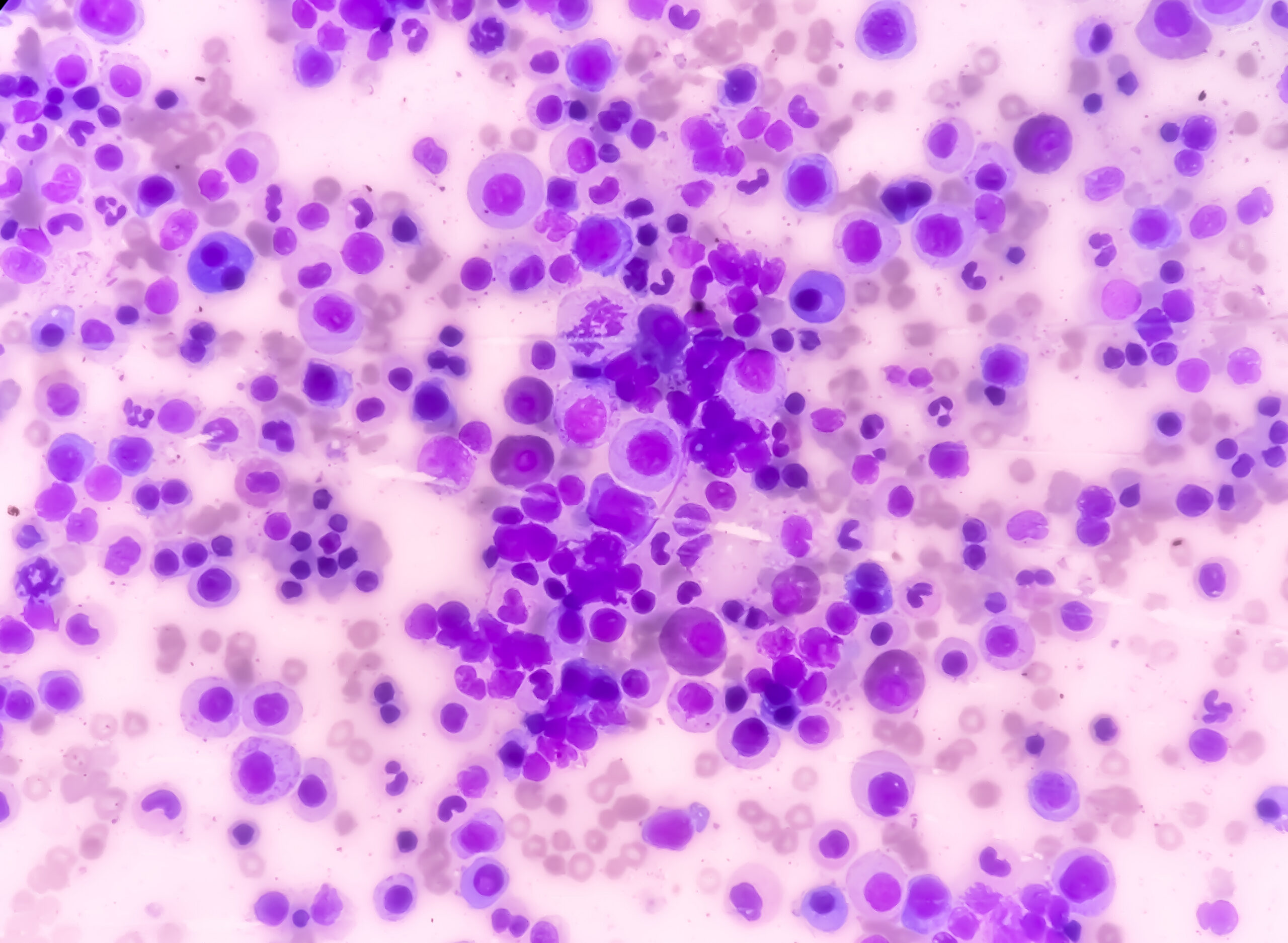
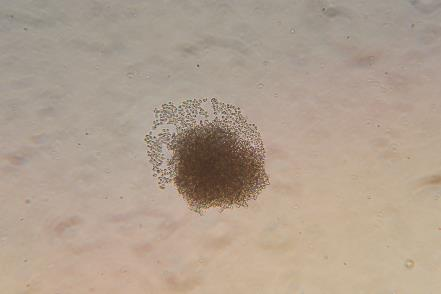
Evaluate drug-induced effects on hematological malignancies and blood disorders using validated in vitro primary cell and hybrid disease models:
Our primary cell and hybrid models measure functional changes such as malignant progenitor suppression, cytokine modulation, HbF induction, and lineage-specific disease responses. These readouts directly reflect how your drug impacts human disease biology.
Yes. Our models are used across discovery, IND‑enabling research, and early clinical translation. They help identify mechanism‑of‑action, validate biomarkers, and generate data that support dose‑selection and patient‑stratification strategies.
Most studies require minimal compound quantities and basic formulation details. Turnaround time ranges from 24 hours for cytokine‑based readouts to 7–14 days for CFC, liquid culture, or disease‑specific maturation models.
Discovery’s HbF induction assay service screens drugs for their ability to increase levels of fetal hemoglobin, a high affinity oxygen transport protein that has been successful in easing serious hemoglobinopathy impacts. Our experts can screen multiple compounds at once and allows for HbF induction comparison between test drugs and hydroxyurea (HU), the current, but suboptimal, standard of care for sickle cell disease (SCD) treatment.
Our advanced, IND‑enabling screening platform evaluates potential therapeutics for sickle cell disease and other hemoglobinopathies, including β‑thalassemia, using primary human CD34⁺ cells that are expertly expanded and differentiated along the erythroid lineage. This assay supports relatively high‑throughput testing in 96‑well formats, enables confirmation of synergistic effects when compounds are combined with hydroxyurea, and directly measures HbF levels by flow cytometry and ELISA rather than relying on indirect RNA‑based assays, providing a more accurate and biologically meaningful readout of drug efficacy.
Discovery also supplies high-quality human peripheral blood mononuclear cells (PBMCs) and bone marrow mononuclear cells (BMMCs) that can be used to evaluate drug efficacy in a wide range of hematologic disease models. These primary human cell populations enable in-house testing of compound activity, mechanism of action, and dose–response behavior under physiologically relevant conditions.
Discovery’s CFC and liquid assays, when performed using diseased cells (e.g., AML, CML, MM, PV, ET, and MF) can help rank ADCs, compare potencies to other ADCs, and estimate therapeutic indices when used in combination with toxicity assays.
Advance drug candidates with greater confidence using human primary blood cell models and functional assays that provide predictive insights into both therapeutic activity and hematologic safety. Explore our other assay services.
Clinically predictive human primary cell assays reveal both on-target and off-target blood toxicity risks early to enable faster, more informed preclinical drug development decisions.
EXPLORE MOREHuman primary cell drug efficacy models evaluate drug effects on blood cell function, enabling faster, more informed decisions across discovery and translational research programs.
EXPLORE MORE