Clinically predictive human primary cell assays reveal both on-target and off-target blood toxicity risks early to enable faster, more informed preclinical drug development decisions.
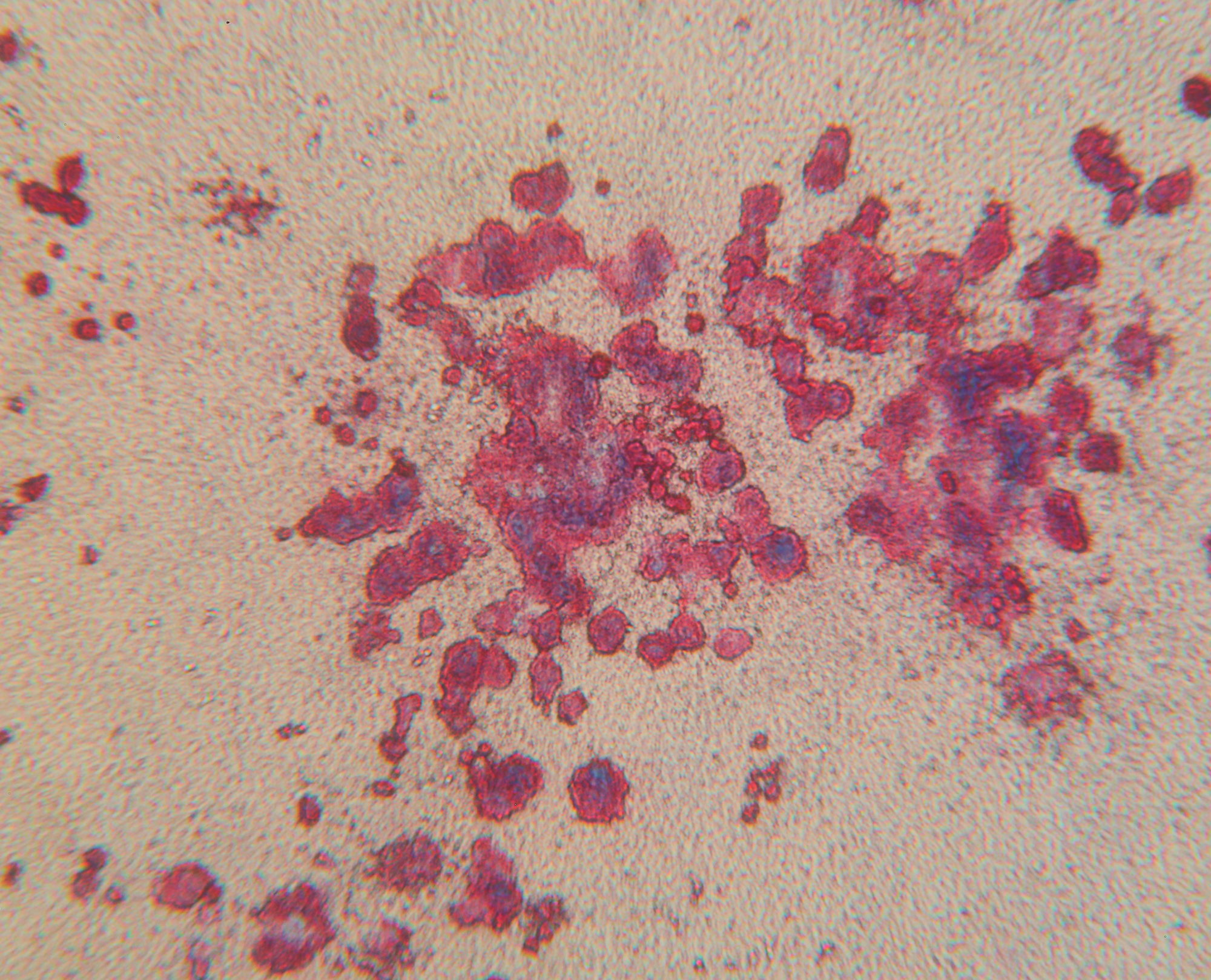
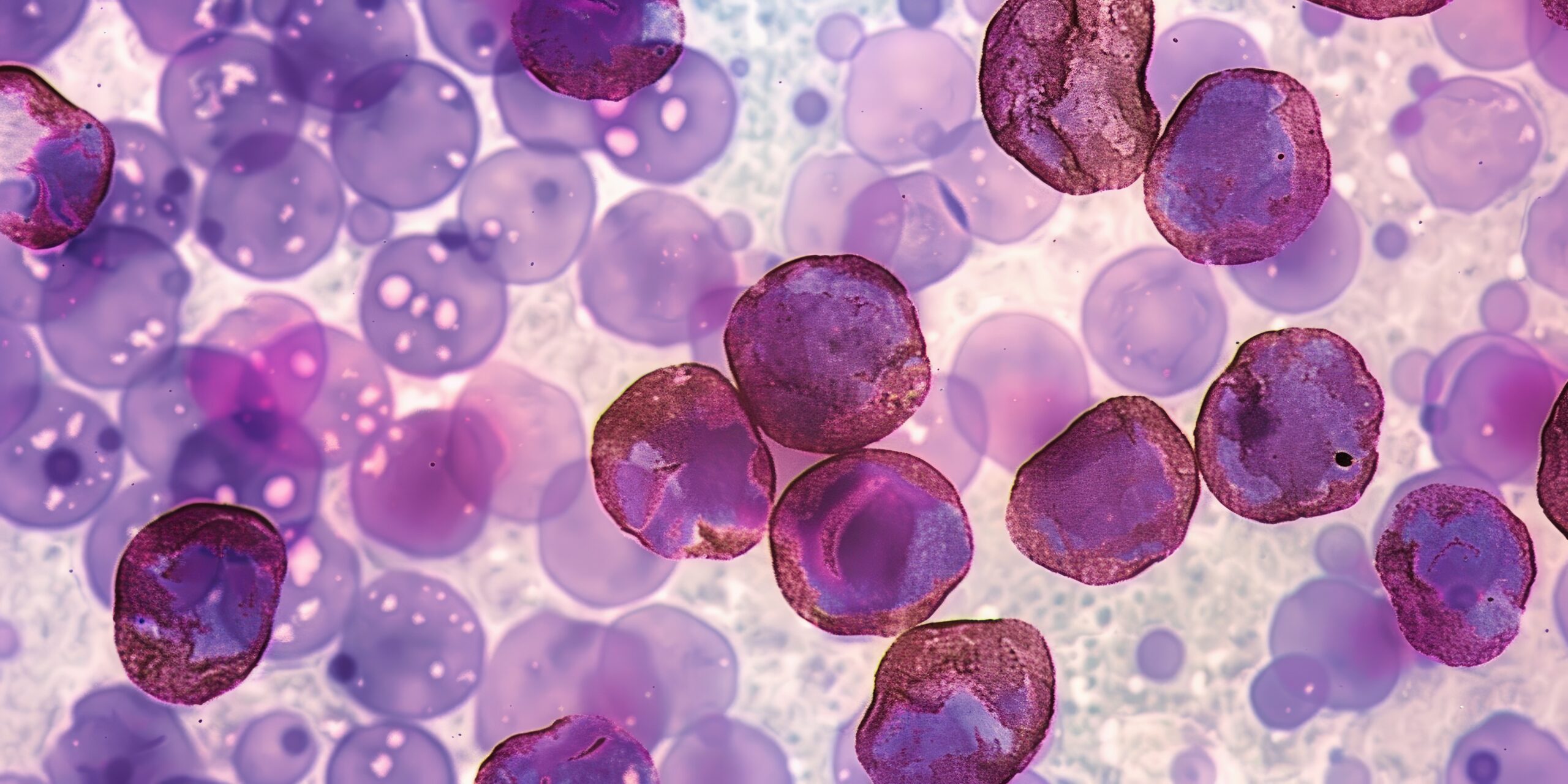
Evaluate on-target and off-target drug‑induced cytopenias across major hematopoietic lineages with validated in vitro colony-forming cell (CFC)* and liquid culture assays:
* Validated by the European Centre for the Validation of Alternative Methods (ECVAM)
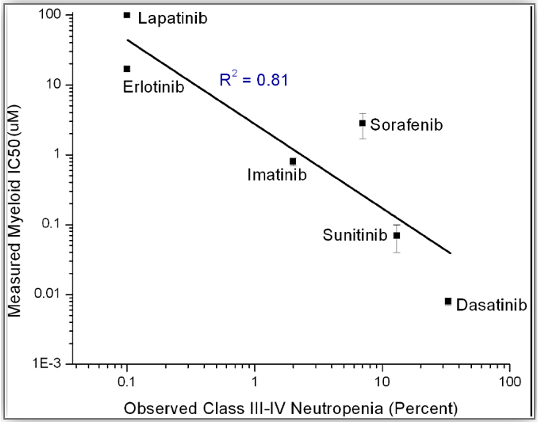
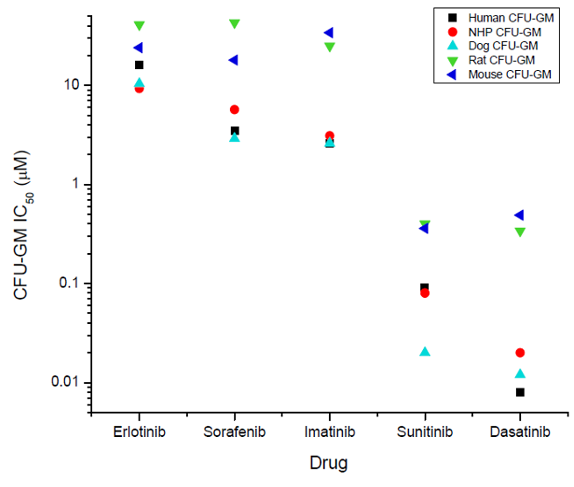
Our CFC and liquid culture platforms quantify lineage‑specific impacts on neutrophils, erythroid progenitors, megakaryocytes, and lymphocytes. Cytokine release assays further identify immune‑mediated or inflammatory liabilities that may signal early safety concerns.
Human primary cells more accurately reflect clinical hematopoietic responses, reducing false negatives and false positives commonly observed in rodent or non‑human primate studies. This improves translational confidence when prioritizing or deprioritizing drug candidates.
Most studies require only milligram‑scale compound quantities and minimal formulation constraints. Turnaround ranges from 24 hours for cytokine release assays to 14 days for multi‑lineage CFC studies, depending on assay complexity.
Our human primary cell–based hematotoxicity platforms are compatible with a broad range of therapeutic modalities, including small molecules, antibodies, antibody-drug conjugates (ADCs), bispecific antibodies, new drug entities, oligonucleotides, peptides, targeted protein degraders, and more.
Using primary CD34+ hematopoietic stem and progenitor cells, Discovery cultures cells with lineage‑specific growth factors to drive controlled differentiation. Drug candidates can then be introduced at defined stages to assess their impact on proliferation, lineage commitment, and terminal maturation. For greater mechanistic insight, our liquid‑culture platforms allow drug addition or washout at multiple timepoints, enabling modeling of clinically relevant dosing strategies.
Maturation dynamics and drug‑induced changes are quantified using flow cytometry, providing high‑resolution data on how a therapy influences hematopoietic recovery or lineage‑specific output.
CFC assays measure the functional capacity of individual hematopoietic progenitors to form colonies, providing a sensitive readout of lineage-specific toxicity. Liquid culture assays evaluate population-level behavior over time, including proliferation, maturation, and differentiation. Together, they provide complementary insight into blood toxicity risk.
Using modified CFC assays, Discovery evaluates ADC candidates for potential hematotoxicity concerns, including neutropenia and thrombocytopenia. Our experts can also assess the stability of your ADC’s linker in the presence of neutrophils, which are known to cause their own demise by releasing enzymes that cleave the drug payload from the ADC.
Discovery uses primary bone marrow cells in a semi‑solid, growth‑factor–defined matrix provide an in vitro system that closely replicates in vivo hematopoietic biology, enabling accurate assessment of neutropenia or thrombocytopenia risk and supporting IND submissions where hematotoxicity is a concern. Our ADC assays are designed to reduce time and cost compared with animal studies, allowing real‑world relevant drug‑combination evaluations and enabling direct comparison with commercially available therapeutics.
Discovery uses primary cells (PBMCs, specific enriched cell populations, or pre-screened natural killer V158+ cells) for generating biologically relevant data and provides flow cytometry-based readouts.
Discovery’s cell maturation assay services further assess the off-target toxicity potential of your drug candidate on developing neutrophils, red blood cells, megakaryocytes, and megakaryocyte-derived platelets at different stages of cell development. Primary CD34+ cells are cultured with specific growth factors to induce the desired lineage differentiation. We also offer liquid culture assays to allow for drug administration and/or washing out at multiple timepoints, simulating clinical treatment options. Cell development and drug interference are tracked using flow cytometry.
Advance drug candidates with greater confidence using human primary blood cell models and functional assays that provide predictive insights into both therapeutic activity and hematologic safety. Explore our other assay services.
Human primary cell drug efficacy models evaluate drug effects on blood cell function, enabling faster, more informed decisions across discovery and translational research programs.
EXPLORE MOREHuman primary cell disease models evaluate drug efficacy on hematologic disease biology, enabling faster, more informed decisions across discovery, translational research, and early clinical development.
EXPLORE MORE