The annual meeting of the American Society of Clinical Oncology (ASCO) has long served as a barometer for the future direction of cancer care. This year’s conference delivered on that promise, with breakthrough data in pancreatic cancer, and continued expansion of targeted therapies into earlier stages of disease.
ASCO 2026 reinforced the industry’s ongoing shift away from a one-size-fits-all treatment paradigm and toward more precise approaches to patient care. As therapies become increasingly tailored to molecularly defined patient populations, biomarker testing is becoming a critical enabler of both clinical decision-making and therapeutic development.
A Breakthrough Moment for RAS-Mutated Pancreatic Cancer
Revolution Medicines’ daraxonrasib (RASolute-302) delivered one of the most compelling datasets at ASCO, demonstrating approximately a 60% reduction in the risk of death compared with chemotherapy in RAS-mutated pancreatic ductal adenocarcinoma, an outcome rarely seen in this historically difficult-to-treat disease.
For decades, RAS mutations represented one of oncology’s most elusive therapeutic targets. These new results position RAS as a viable and actionable therapeutic target, with clear implications extending beyond pancreatic cancer to other RAS-driven malignancies, including colorectal and lung cancers.
This year’s meeting will be remembered as a turning point for RAS-driven malignancies, and a new chapter for patients with pancreatic cancer.
Precision Medicine Is Moving Earlier in Disease Management
In RET-mutated non-small cell lung cancer (NSCLC), adjuvant selpercatinib demonstrated a striking event-free survival benefit (hazard ratio of ~0.17), highlighting the potential value of targeted intervention for early-stage lung cancer management.
Targeted therapies may deliver substantial benefit not only in advanced metastatic disease settings but also earlier in the disease course, where preventing recurrence can translate into meaningful long-term gains.
HER2 Continues to Expand Beyond Traditional Boundaries
HER2-directed combination therapies demonstrated meaningful survival benefits in gastrointestinal cancers. The bispecific HER2 antibody zanidatamab, in combination with chemotherapy with or without tislelizumab, showed significant improvements in both progression-free and overall survival.
The results validate bispecific HER2 approaches and support their emergence as potential new standards of care, beyond trastuzumab-based regimens in this disease setting.
ctDNA Continues to Strengthen Its Clinical Utility
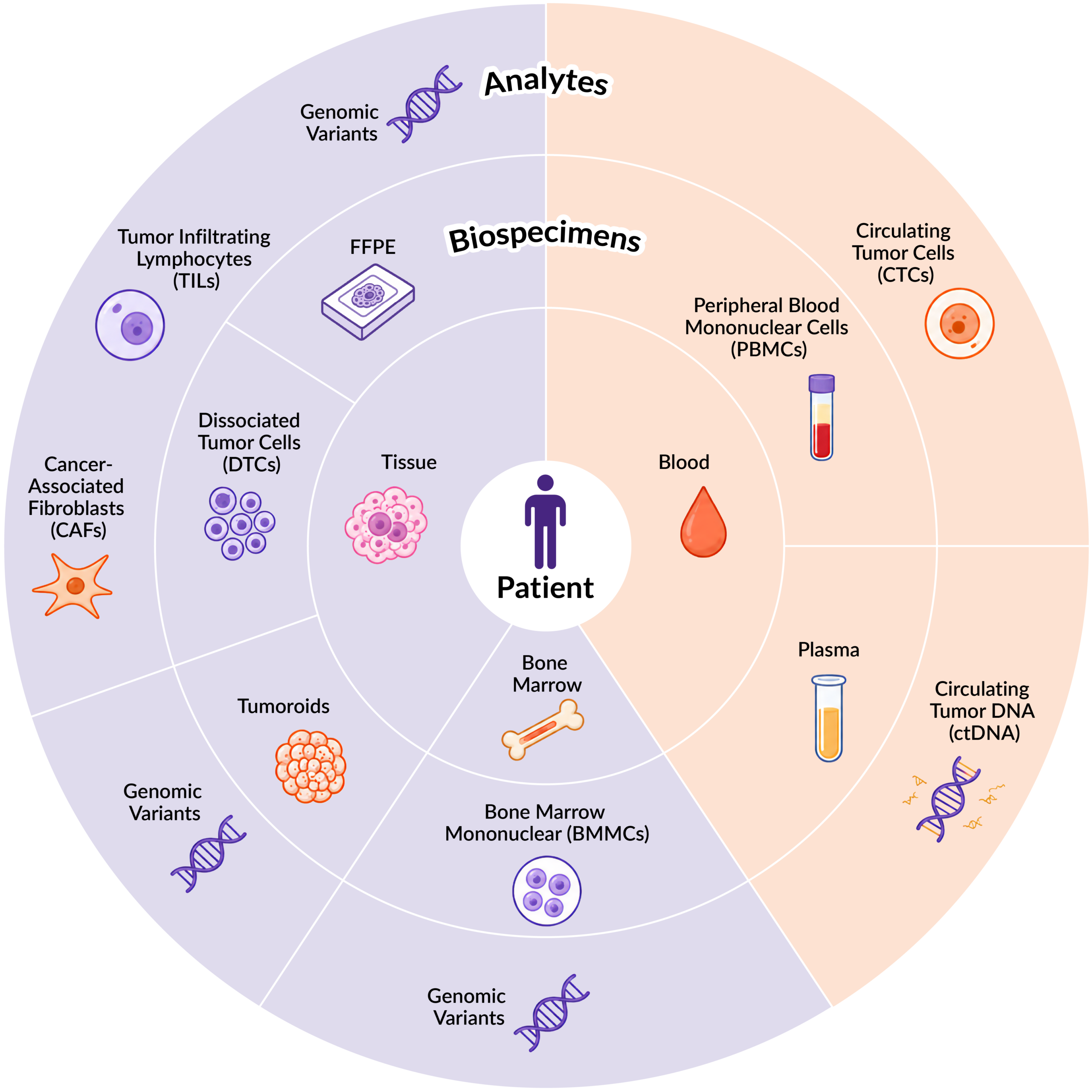
Across multiple studies presented at ASCO, including KEYNOTE-564 in renal cell carcinoma and the PARTNER study in early triple-negative breast cancer, circulating tumor DNA (ctDNA) positivity consistently correlated with recurrence risk and outperformed traditional approaches for detecting minimal residual disease.
Beyond risk stratification and residual disease detection, ctDNA assays continue to show potential as a surrogate endpoint in clinical trials and as a tool for identifying patients who may benefit from additional intervention.
Combination Therapy Has Become the New Standard
The complexity of cancer biology increasingly requires simultaneous targeting of multiple pathways to achieve durable responses. This shift was evident across ASCO, where monotherapy is becoming the exception rather than the rule.
Combination therapy is now the default paradigm, particularly immuno-oncology (IO) combined with anti-angiogenic agents or IO paired with targeted therapies aimed at overcoming resistance, deepening responses, and extending clinical benefit.
ADCs and Bispecific Antibodies Continue to Lead Innovation
ADCs and bispecific antibodies remain among the most active areas of oncology drug development, with continued expansion of this therapeutic class across tumor types and into frontline treatment settings. The growth and maturation of these pipelines is concomitantly driving greater demand for immunohistochemistry (IHC)-based diagnostic approaches to support accurate identification of eligible patient populations.
The Diagnostic Imperative
Perhaps the clearest takeaway from ASCO 2026: precision medicine depends on precision diagnostics.
Every new targeted therapy, ADC, bispecific, or immunotherapy combination succeeds only to the extent that clinicians can identify the patients most likely to benefit. Genomic profiling, protein expression analysis, and liquid biopsy approaches will enable more informed treatment decisions and ensure that the benefits of precision oncology can be realized in practice and at scale.

T. Scott Reid, PhD
VP & Global Head of Companion Diagnostics