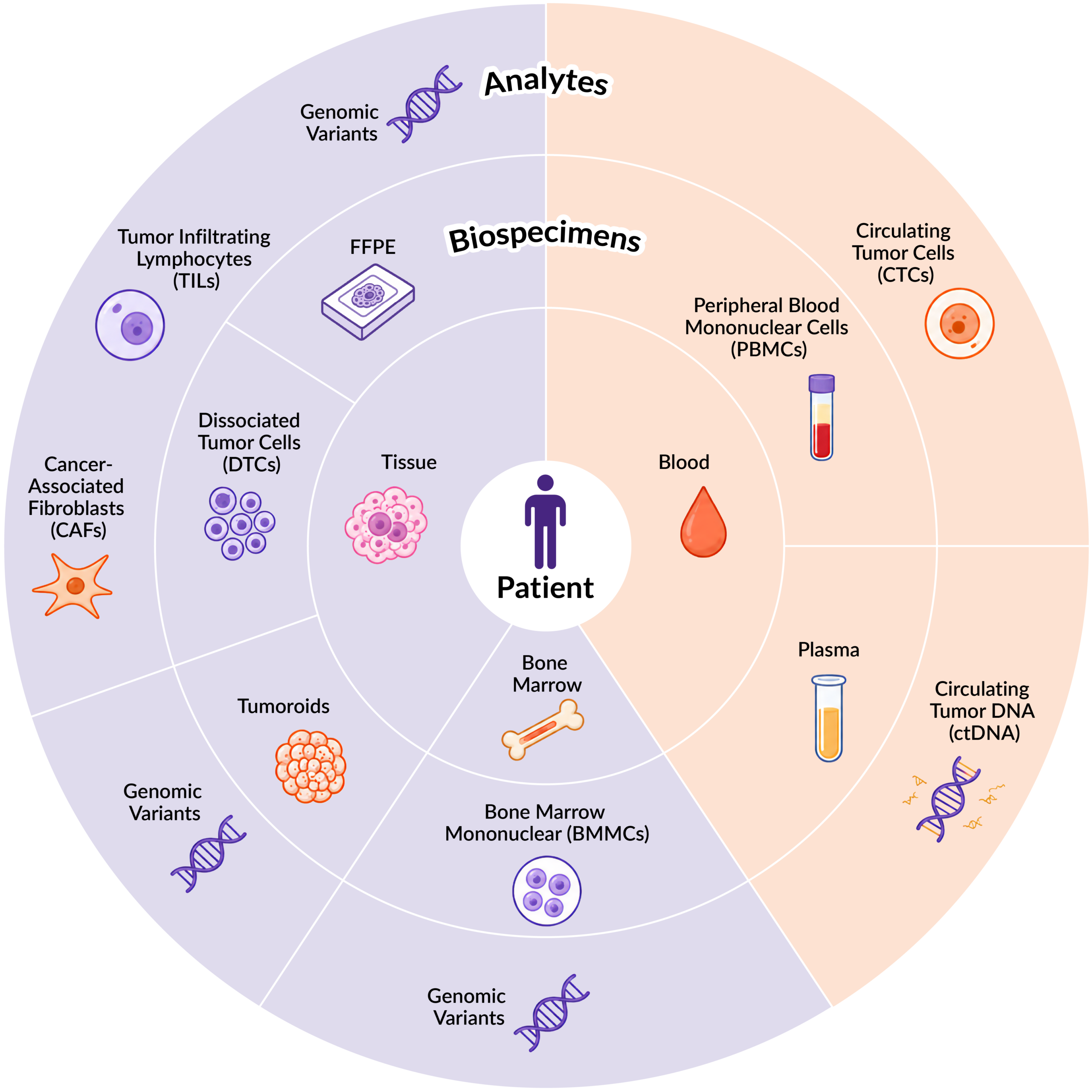
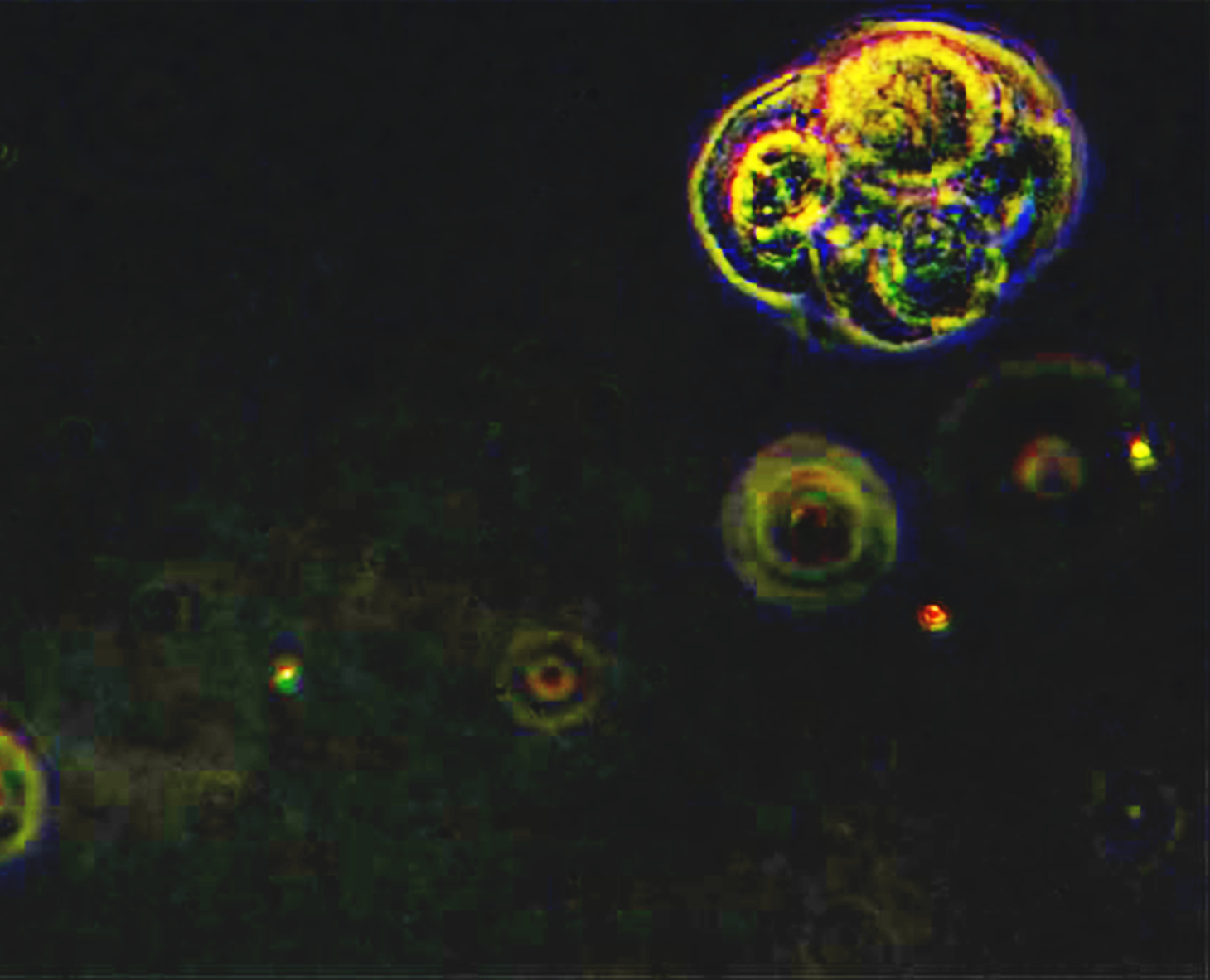
In our fourth blog post, we turn to cancer-associated fibroblasts (CAFs), another critical component of the tumor microenvironment (TME). Like tumor-infiltrating lymphocytes (TILs), CAFs can be found within patient-derived tumor samples (Figure 1). FFPE tissue sections provide spatial information that helps understand the organization and distribution of CAFs within the TME, while dissociated tumor and tissue cells (DTCs) enable the isolation of CAFs for functional studies and incorporation into advanced in vitro tumor models.
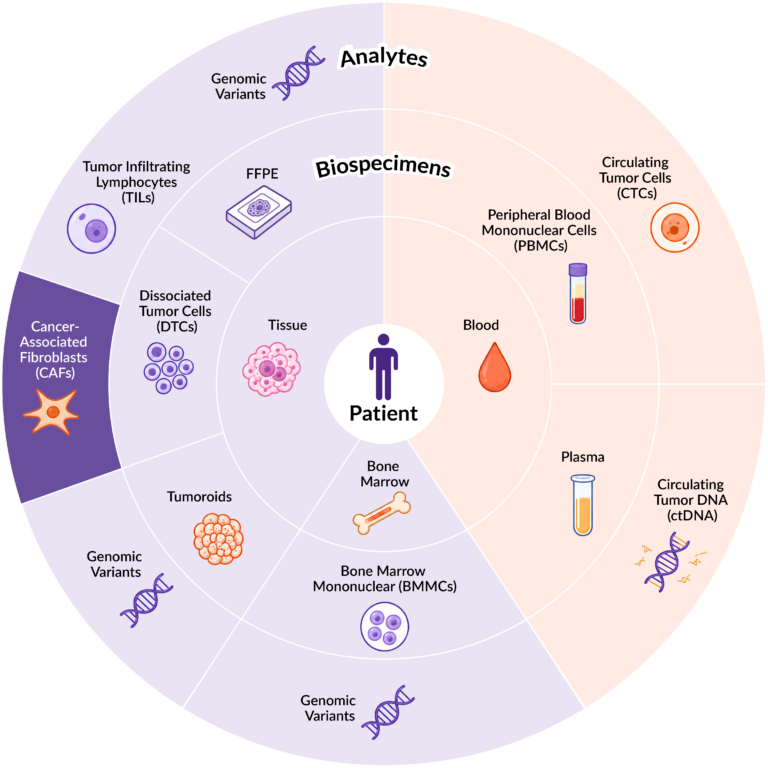
Figure 1. Distribution of key analytes across different biospecimen sample types.
In addition to cancer cells, solid tumors contain a complex network of non-malignant cells and extracellular matrix (ECM) components that collectively shape tumor survival, growth, metastasis, and therapeutic response. CAFs are among the most abundant stromal cell types within solid tumors and contribute to ECM remodeling, immune regulation, and treatment resistance1-3. By shaping the TME, CAFs can influence the effectiveness of tumor-directed therapies and represent a therapeutic target themselves.
How CAFs Influence Therapeutic Strategies
One of the greatest challenges in treating solid tumors is overcoming the protective environment surrounding cancer cells. In highly fibrotic tumors, CAFs contribute to the formation of dense, scar-like extracellular matrix structures known as desmoplasia. This remodeled tumor stroma can create a physical barrier that limits therapeutic penetration and immune cell infiltration. Additionally, CAFs secrete factors like TGF-β and IL-6 that inhibit T-cell and natural killer cell activity and promote a protective microenvironment that actively suppresses anti-tumor immunity2.
High CAF abundance within the tumor stroma has been associated with poor clinical outcomes across multiple solid tumor types. Pancreatic ductal adenocarcinoma (PDAC) is one of the most striking examples, where CAF-rich stroma has been reported to comprise up to 70–90% of tumor tissue volume, contributing to tumor resistance to chemotherapy and immunotherapy4.
These observations have driven growing interest in tumor cell-extrinsic therapeutic strategies, such as CAF-directed therapies, rather than cancer cells themselves. By modifying the stromal environment, these approaches aim to improve therapeutic access, enhance immune activity, and increase the effectiveness of combination therapies.
Current CAF-targeted strategies generally fall into three categories1:
- Depleting CAFs: Directly or indirectly reducing tumor-promoting CAF populations
- Modulating CAF function: Limiting the tumor-promoting and immunosuppressive activities of CAFs
- Reprogramming CAFs: Shifting activated CAFs toward a more quiescent or normalized state to restore a less tumor-supportive microenvironment.
As researchers seek to better understand how CAFs influence therapeutic response and explore strategies to target the tumor microenvironment, experimental models are needed that can more accurately recapitulate the dynamic cellular interactions and biological complexity of the TME5.
Rebuilding the TME In Vitro
Traditional tumor models that focus on cancer cells alone often fail to capture how stromal components such as CAFs influence therapeutic response. New approach methodologies (NAMs), including advanced patient-derived 3D co-culture systems, help address this limitation by recreating key features of the TME in vitro. Building these models begins with access to the appropriate patient-derived analytes.
CAFs can be isolated from DTCs by exploiting their adherent growth characteristics. When primary DTCs are seeded onto collagen-coated culture plates, CAFs adhere and expand, enabling researchers to establish patient-derived CAF cultures for downstream functional studies6.
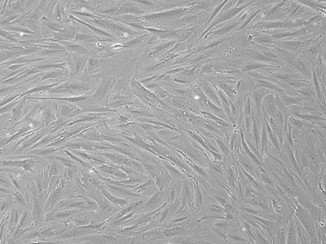
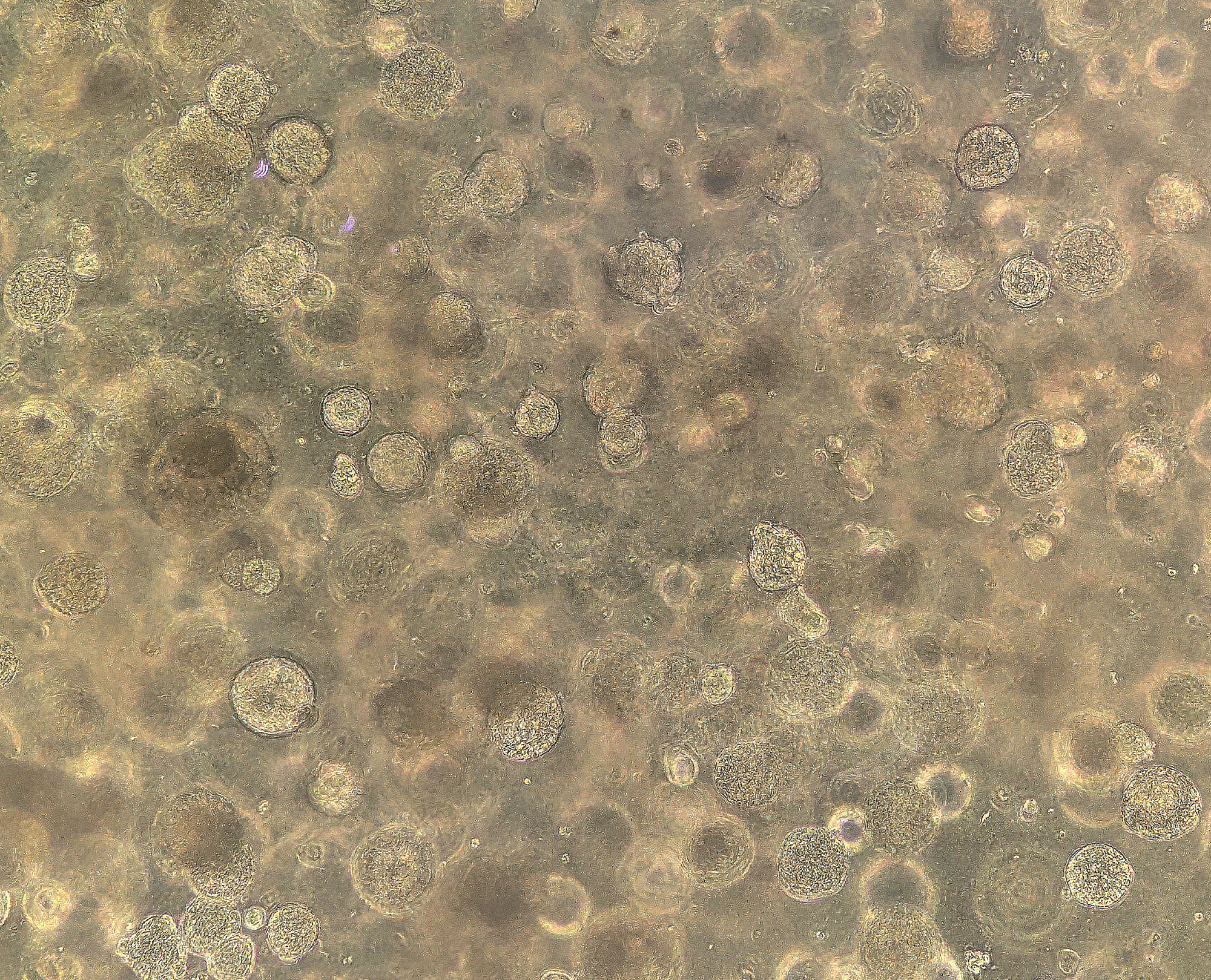
Figure 2. Brightfield image of CAFs isolated from patient-derived colorectal cancer DTCs and cultured on collagen-coated plates.
3D tumoroids, generated from the same patient, can be combined with DTC-derived CAFs to create patient-matched (autologous) tumor–stroma co-culture models that preserve important tumor–stroma interactions. These models enable researchers to investigate how CAFs influence ECM remodeling, drug penetration, and therapeutic response5,7.
In a recent study, researchers utilized a co-culture model of CAFs and ovarian cancer tumoroids to study mechanisms of resistance to paclitaxel and cisplatin treatment. Transcriptome analysis suggested that CAFs promote resistance through multiple pathways, including the PI3K-Akt signaling pathway and cytokine-cytokine receptor interaction7.
To add another layer of biological complexity, autologous DTC-derived TILs can also be incorporated alongside patient-derived tumoroids and CAFs to create tri-culture systems that integrate tumor, stromal, and immune compartments8. These tri-culture models capture the cellular crosstalk between tumor cells, CAFs, and immune cells that traditional monocultures cannot replicate, providing a more physiologically relevant “patient-in-a-dish” platform for evaluating therapeutic mechanisms, combination strategies, and personalized oncology approaches.
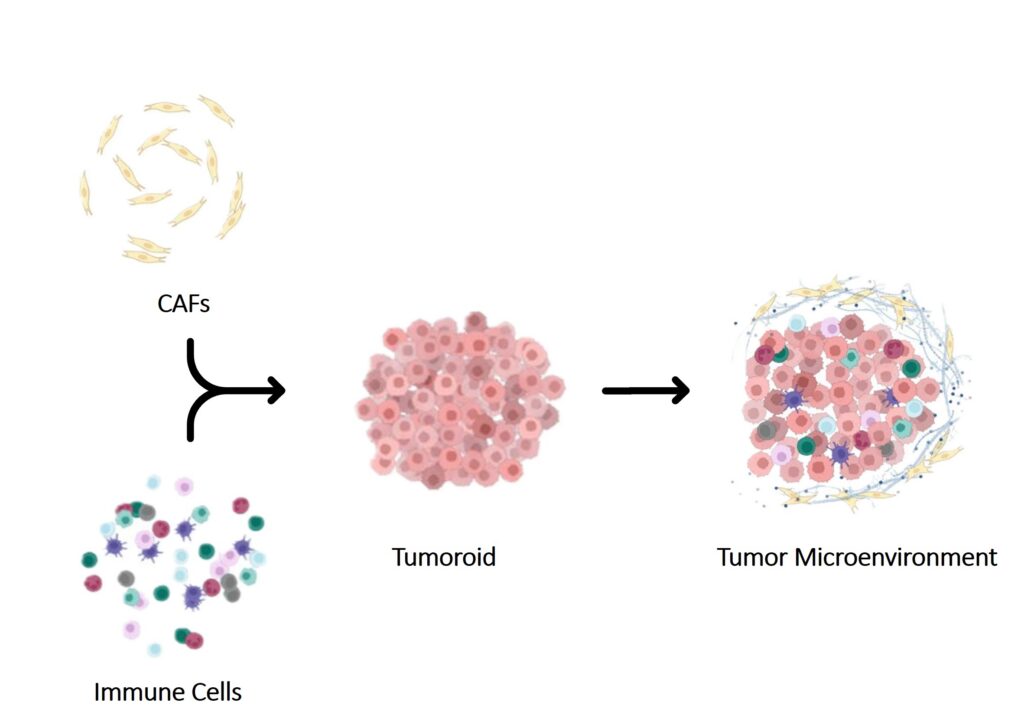
Figure 3. Rebuilding the TME in vitro using advanced tumor co-culture models.
Figure created in biorender.com
Coming Next: Completing the Blog Series with the Final Analyte
Our analyte series concludes by following cancer beyond the primary tumor. After exploring solid tumor-related biospecimens, we’ll examine circulating tumor cells (CTCs), a blood-based analyte detected through liquid biopsy that offers a minimally invasive view of tumor biology, disease progression, and metastatic potential.
References
- Wright, K., Ly, T.,Kriet, M., Czirok, A., & Thomas, S. M. (2023). Cancer-Associated Fibroblasts: Master Tumor Microenvironment Modifiers. Cancers, 15(6), 1899. https://doi.org/10.3390/cancers15061899
- Pawar, J. S., Salam, M. A.,Dipto, M. S. U., Al-Amin, M. Y., Salam, M. T., Sengupta, S., Kumari, S., Gujjari, L., & Yadagiri, G. (2025). Cancer-Associated Fibroblasts: Immunosuppressive Crosstalk with Tumor-Infiltrating Immune Cells and Implications for Therapeutic Resistance. Cancers, 17(15), 2484. https://doi.org/10.3390/cancers17152484
- Lan, X., Li, W., Zhao, K., Wang, J., Li, S., & Zhao, H. (2025). Revisiting the role of cancer-associated fibroblasts in tumor microenvironment. Frontiers in immunology, 16, 1582532.https://doi.org/10.3389/fimmu.2025.1582532
- Myo Min, K. K., Ffrench, C. B., Jessup, C. F., Shepherdson, M., Barreto, S. G., & Bonder, C. S. (2023). Overcoming the Fibrotic Fortress in Pancreatic Ductal Adenocarcinoma: Challenges and Opportunities. Cancers, 15(8), 2354.https://doi.org/10.3390/cancers15082354
- Wang, M., Ding, X., Chen, L., Cui, Z., Ding, Y., Song, Y., Li, W., & Zhang, X. (2026). The researchadvances of crosstalk between cancer-associated fibroblasts and tumor cells using co-culture organoids. Cell death & disease, 17(1), 267. https://doi.org/10.1038/s41419-026-08512-8
- Discovery Life Sciences. (2025).Dissociated Tumor and Tissue Cells User Guide: Best Practices For Handling DTCs And Preparation For Downstream Analysis. https://dls.com/resources/dtcs-user-guide/
- Ma, Y., Xue, F., Pei, Z., & Zhao, Y. (2025).Constructing a co-culture model of cancer-associated fibroblasts and ovarian cancer organoids and studying mechanisms of drug resistance. Experimental cell research, 450(2), 114656. https://doi.org/10.1016/j.yexcr.2025.114656

Debbie King
Scientific Writer, Discovery Life Sciences